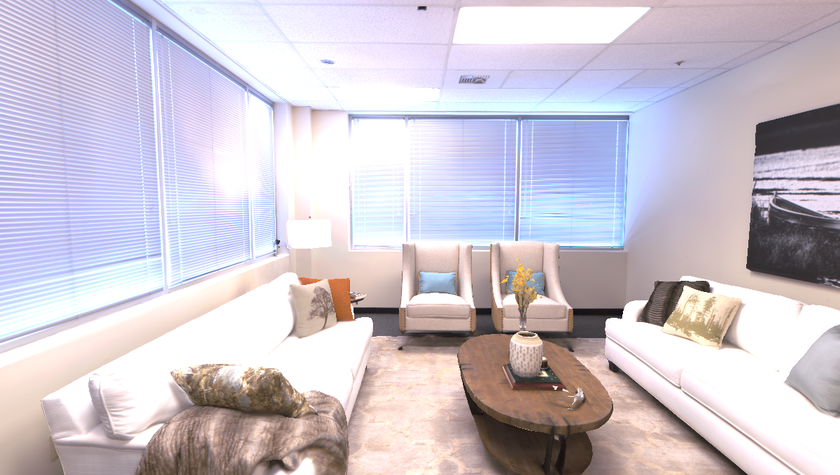
Single input image

Generated scene
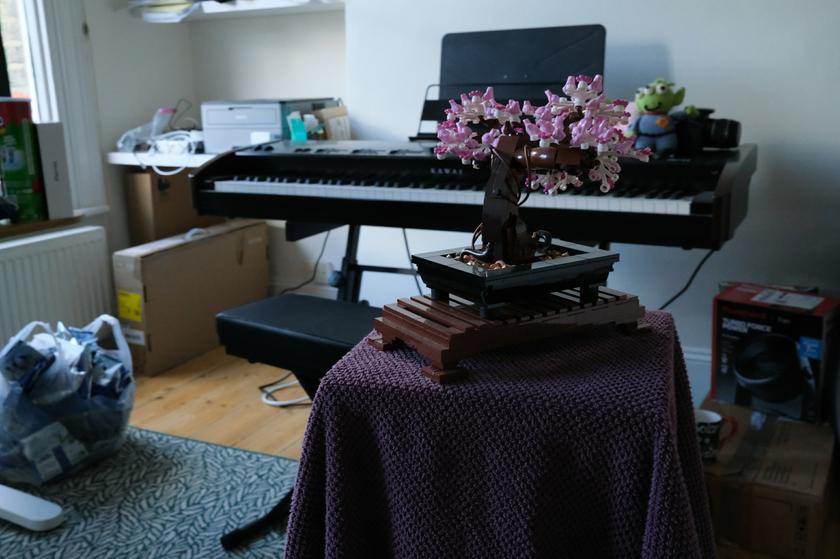
Single input image
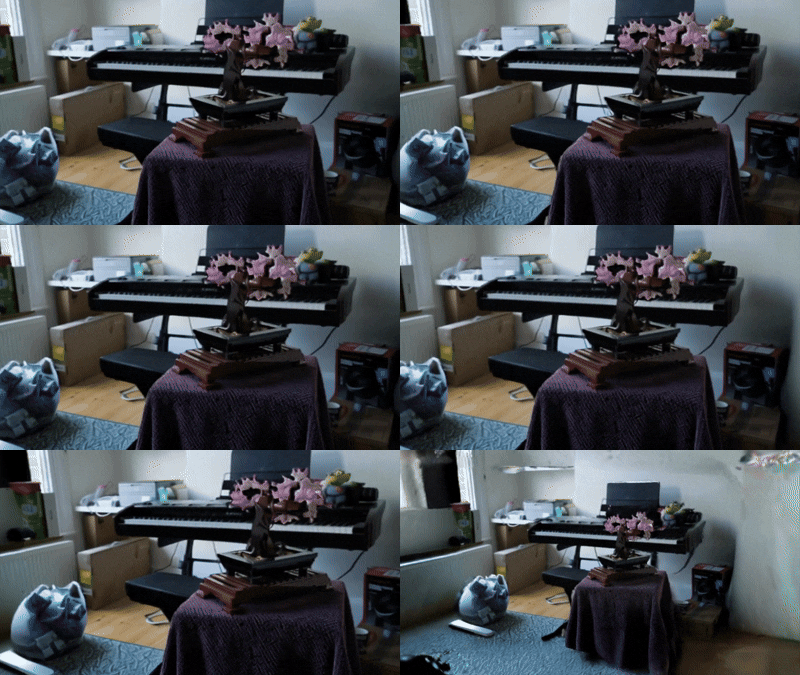
Generated scene
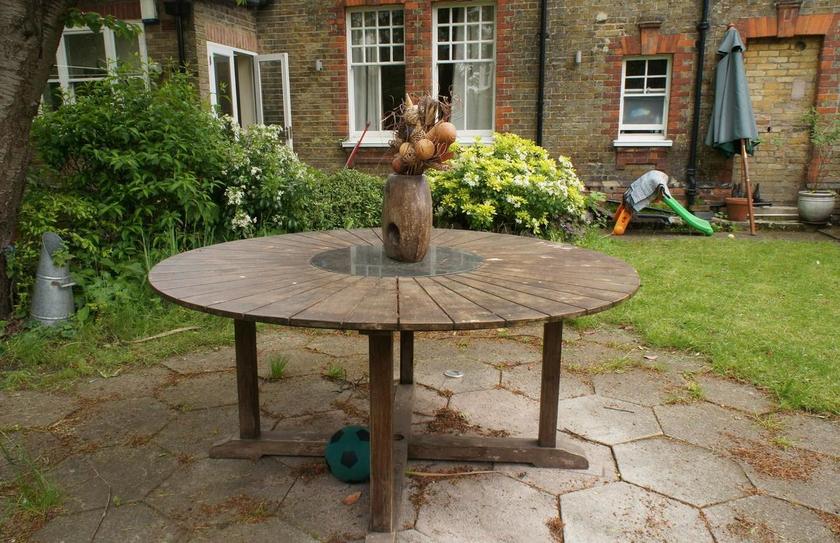
Single input image
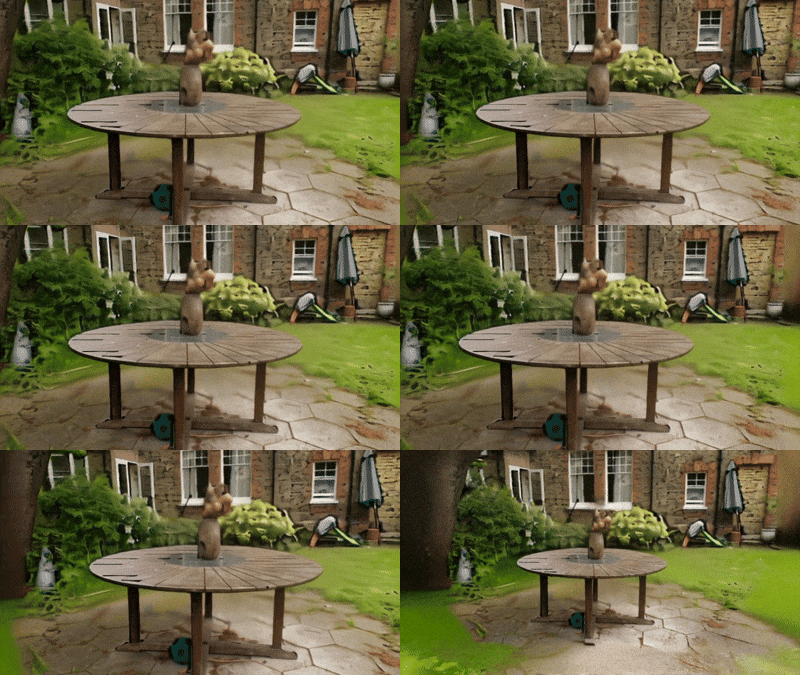
Generated scene
Figure 1: Single-view reconstruction examples.
MonoDiffSplat is a single-view-first 3D reconstruction pipeline that also supports sparse multi-view inputs. Built on G4Splat, Depth Anything 3, See3D, and 2D Gaussian Splatting, it bootstraps depth and plane structure from input views, trains an initial 2D Gaussian model, then runs up to three iterative rounds of novel-view rendering, See3D inpainting, base-cloud-anchored depth refinement, point-cloud quality control, and resumed Gaussian training.
Key extensions over G4Splat: Depth Anything 3 initialization for single-view and sparse inputs, stage-to-stage chaining of plane models and base clouds, structured coverage-driven view selection, and delta geometry injection with floater cleanup during Gaussian retraining. This repository documents and implements the iterative single-view and low-view extensions; it is not a standalone benchmark claim.
Single input image
Generated scene
Single input image
Generated scene
Single input image
Generated scene
Figure 1: Single-view reconstruction examples.
The pipeline has three phases:
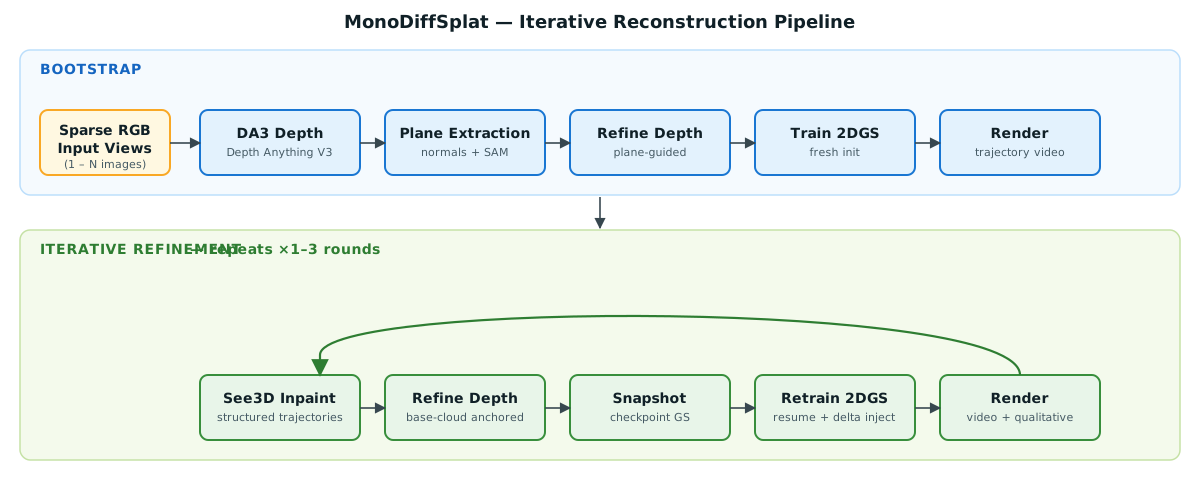
Figure 2: Pipeline summary. Bootstrap builds the first depth-refined point cloud and Gaussian model from sparse RGB inputs. The iterative phase then repeats one to three times: render novel views, inpaint with See3D, refine depth against the previous round's geometry, export QC point clouds, resume Gaussian training, and re-render.
Depth estimates provide geometric supervision throughout refinement and training, reducing floaters, improving planar alignment, and stabilizing reconstructions from limited input views.
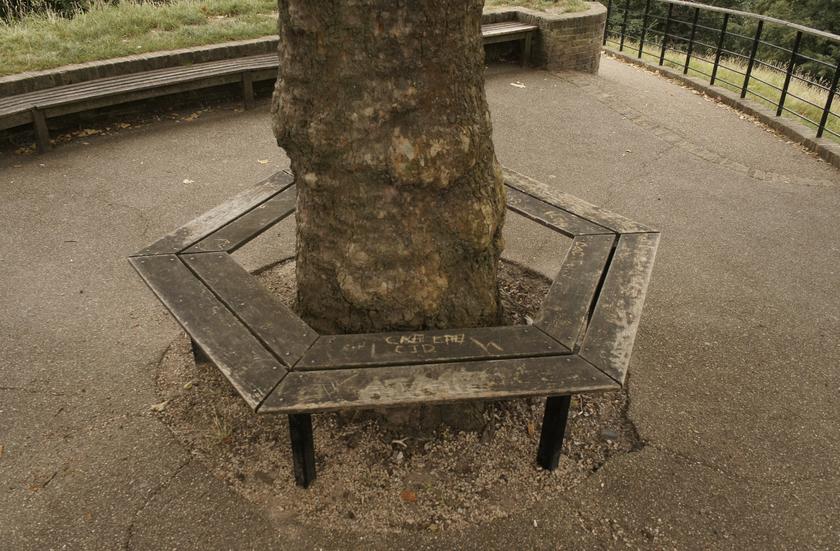

Outdoor scene
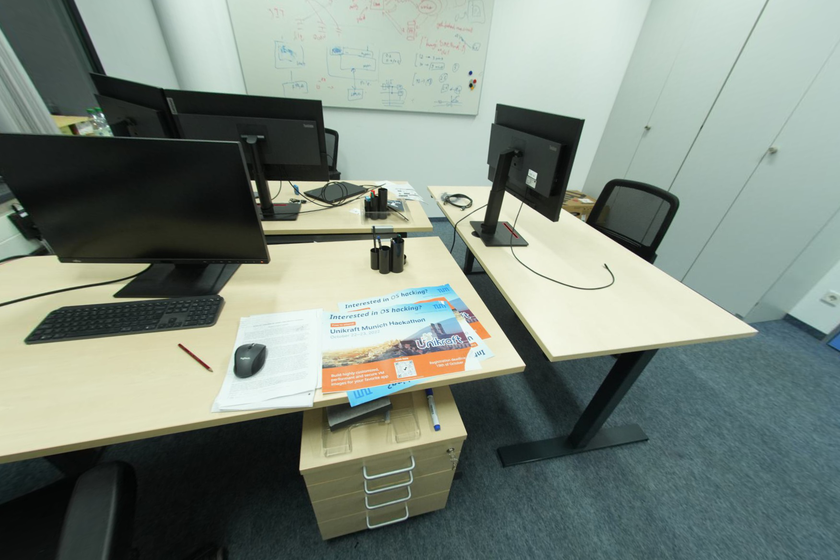

Indoor scene
Built on G4Splat (Ni et al., 2025). Additional dependencies: Depth Anything 3, See3D, 2DGS, Segment Anything, GOF. Credit for the base G4Splat formulation remains with the original authors; MonoDiffSplat documents and implements the iterative single-view extensions described in this repository.